
Services
Compassionate, evidence-based support to reconnect and heal from the past.

1:1 Counselling
A private, collaborative space to understand what is happening without judgement.

A place to slow down, make sense of things and be met as you are.
You may have spent years coping, achieving, caring for others or trying to keep the past in the past. Perhaps those strategies no longer work in the way they once did. You might feel overwhelmed, shut down, disconnected, constantly alert, or unsure why certain situations affect you so strongly.
1:1 counselling offers a private, collaborative space to understand what is happening without judgement. We can work with the experiences, relationships, beliefs, emotions and body responses that continue to shape life now, at a pace that feels manageable.
You set the pace
You do not have to tell your whole story at once. You can pause, change direction, ask questions, decline an exercise or decide that an approach is not for you. Consent is an ongoing conversation, not a one-off form.
You do not need a diagnosis or a perfect explanation.
People come to therapy for many reasons. Some know exactly what they want help with. Others only know that something feels difficult, stuck or different. Both are valid places to begin.
Counselling may be helpful if you are:
feeling anxious, on edge, panicky or unable to switch off
experiencing flashbacks, nightmares, intrusive memories or strong body reactions
numb, detached, foggy, unreal or disconnected from parts of your life
carrying shame, self-blame or the feeling that you are ‘too much’ or ‘not enough’
stuck in people-pleasing, perfectionism, overworking or always being the capable one
finding closeness, boundaries, trust or conflict difficult in relationships
living with the effects of childhood trauma, sexual violence, family violence, medical trauma or institutional harm
managing dissociation, memory gaps, DID or OSDD
navigating chronic illness, disability, pain, grief or a major life transition
questioning who you are, coming out, or dealing with minority stress and discrimination
recovering from workplace trauma, burnout, vicarious trauma or first-responder experiences
wanting to understand yourself more deeply, even if there is no single crisis.

EMDR Therapy
Healing doesn't happen because we forget. Healing happens because the past no longer feels like it's happening right now.
The memory is in the past.
The impact can still feel present.
Eye Movement Desensitisation and Reprocessing — EMDR — is a structured therapy designed to help the brain process distressing experiences that continue to feel current, threatening or unfinished.
EMDR does not erase memories or ask you to pretend something did not matter. The aim is for the memory to feel more like something that happened then, rather than something your mind and body are still reliving now.
You do not have to tell every detail
We need enough information to work safely and collaboratively, but EMDR does not require a detailed retelling of the whole event. You remain able to pause, stop or change direction.

What EMDR can include
EMDR is more than eye movements. It usually includes:
understanding your current concerns, history, strengths and supports
identifying goals and deciding whether EMDR is appropriate now
building preparation, grounding and ways to pause
choosing a memory, situation, belief, feeling or body response to work with
using bilateral stimulation, such as eye movements, alternating sounds or tapping
noticing what comes up without forcing a particular answer
checking what has changed and what still needs attention
closing the session carefully and reviewing the work later.
My Approach to EMDR
I integrate attachment-focused, relational, parts-informed and body-aware approaches into EMDR. This can be especially important when trauma was repeated, happened in relationships, began early, or is connected with dissociation.
We do not rush past protective parts or treat them as obstacles. We make room for ambivalence, fear, numbness and uncertainty, and we adapt the work when your system says ‘not yet’.
Some people spend several sessions preparing before any memory processing. Others decide that preparation or another form of therapy is the most useful focus. Both are valid.
Breathwork
A supported way to notice, breathe and reconnect.
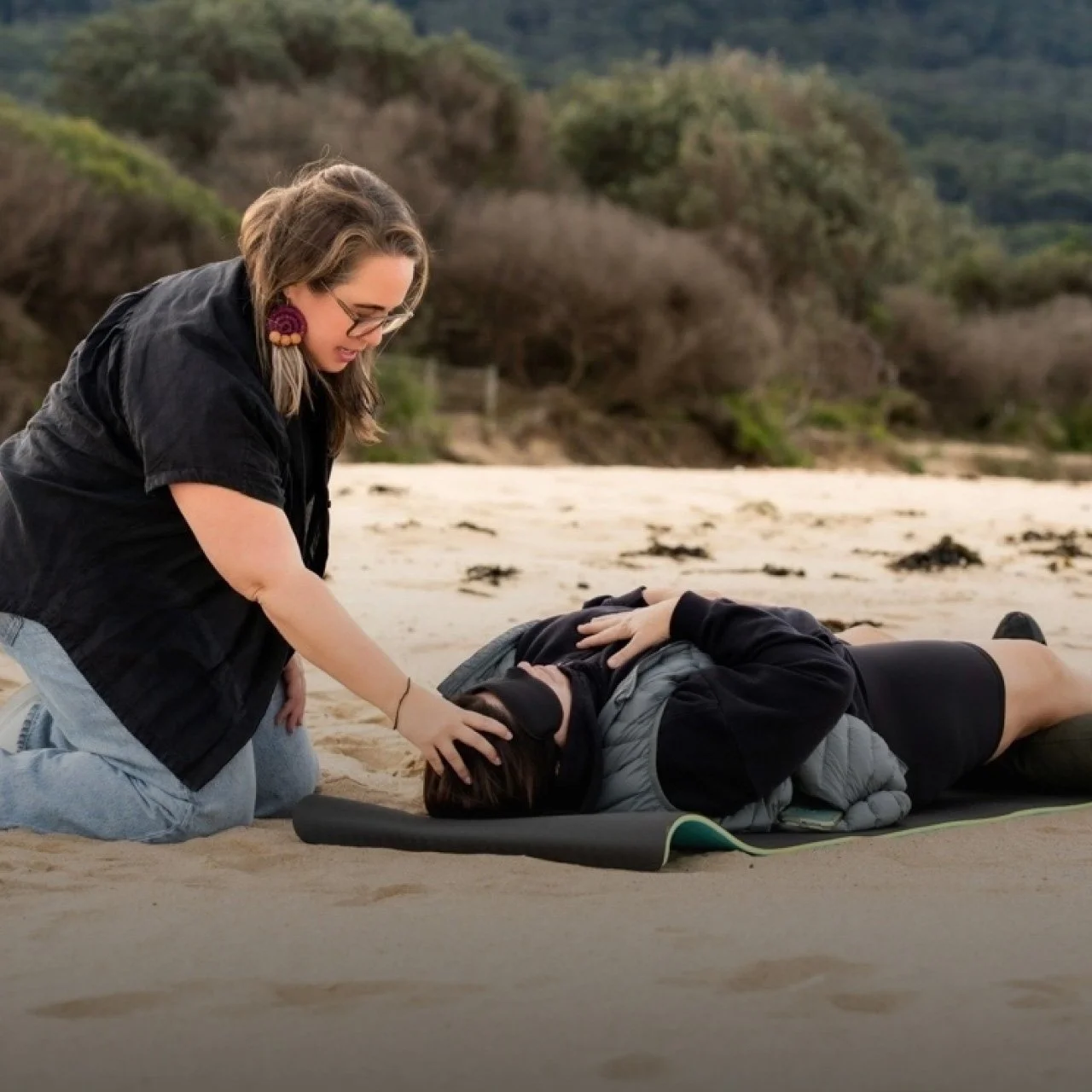
Breathwork uses intentional breathing practices to explore awareness, emotion and connection with the body. Some people experience a sense of settling, clarity, energy or emotional release. Others notice very little at first. There is no correct response.


What a session may involve
a conversation about your intentions, health and what helps you feel safe
an explanation and demonstration of the breathing practice
choices about position, pace, music, eyes open or closed and whether to participate
guided breathing with regular reminders that you can slow down or stop
time to rest, orient, reflect and integrate afterwards
clear information about aftercare and when to seek additional support.
Private and group options
Private sessions allow the practice to be adapted closely to you. Group sessions can offer a sense of shared experience while still protecting personal choice. You are never required to disclose why you are attending or share what came up.
Breathwork may be used alongside counselling or as a separate wellbeing practice when appropriate. It is not a substitute for medical treatment, emergency support or therapy when those are needed.
Health and safety
Some breathing practices can create strong physical or emotional effects and are not suitable for everyone. Before participating, you will be asked to complete a health screening and provide relevant information about medical conditions, pregnancy, medication and mental health history.
You may be asked to speak with your GP or treating clinician, use a gentler practice or choose not to participate. Please seek urgent medical help for new or severe physical symptoms rather than assuming they are part of breathwork.

Workshops
Space to learn, reflect and practise, without pressure to perform.
Workshops offer a small-group setting to explore themes such as trauma, attachment, nervous-system responses, boundaries, self-compassion, EMDR preparation and embodied practice.
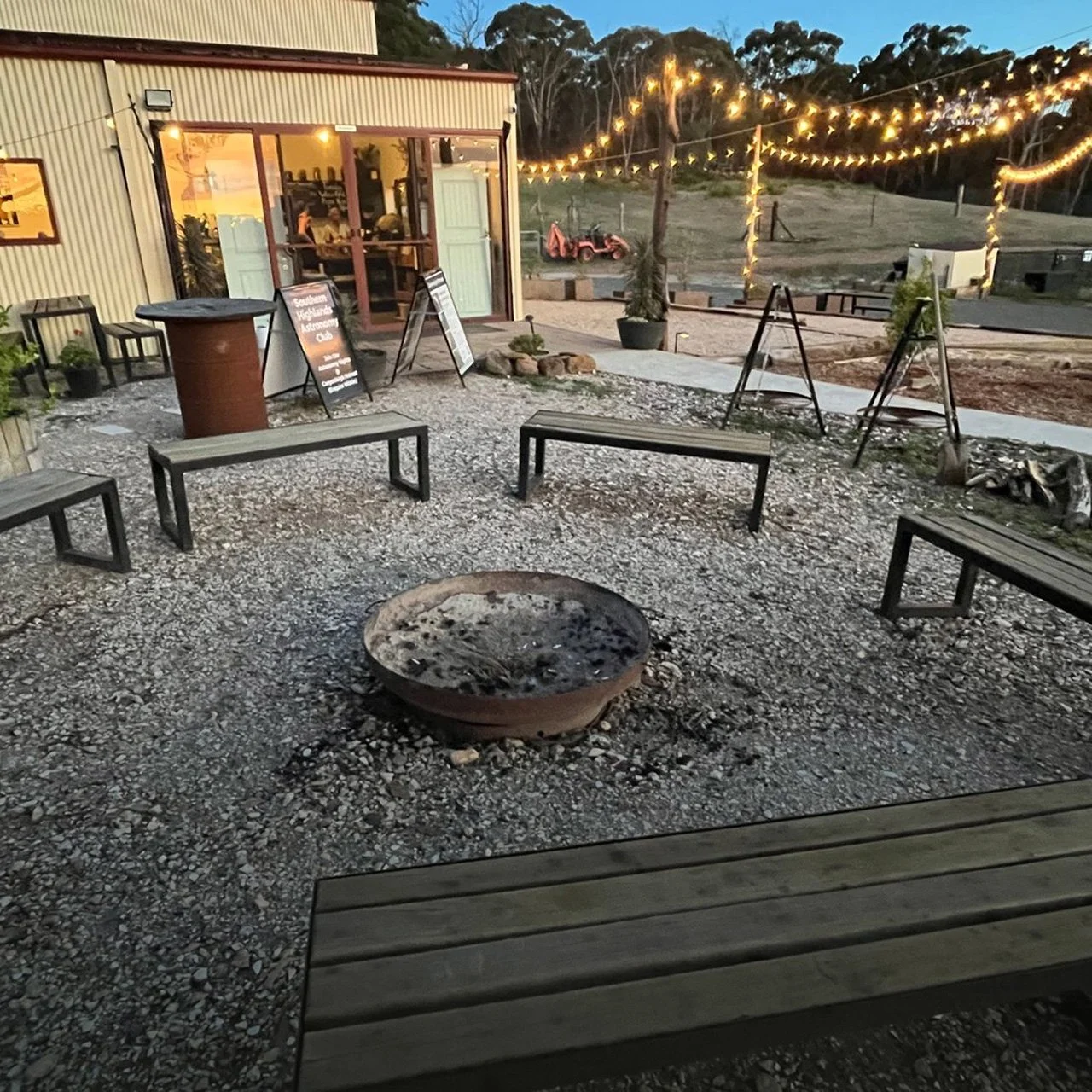
Each event is different. The event page will explain who it is for, what is included, the level of participation, accessibility, venue, facilitators and whether the workshop is educational, therapeutic or both.
What you can expect
clear information before you register
choice about speaking, sharing and taking part in exercises
group agreements about privacy, respect and boundaries
planned breaks and options to step outside
information about accessibility, food, travel and sensory conditions
a plan for support if strong emotions arise.
Confidentiality is requested from all participants, but the practice cannot guarantee the actions of other group members. Workshops are not a replacement for individual crisis care or ongoing therapy.